

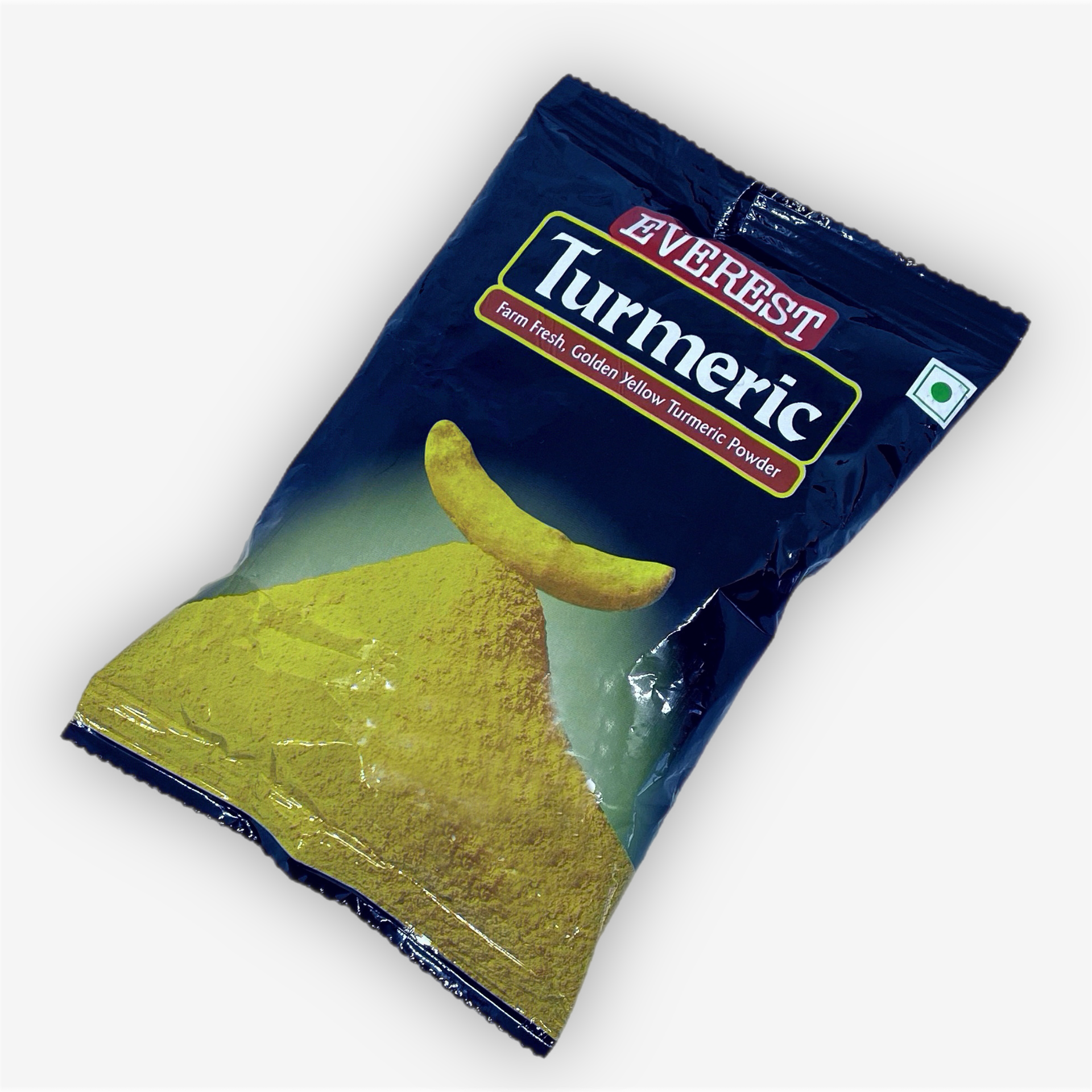
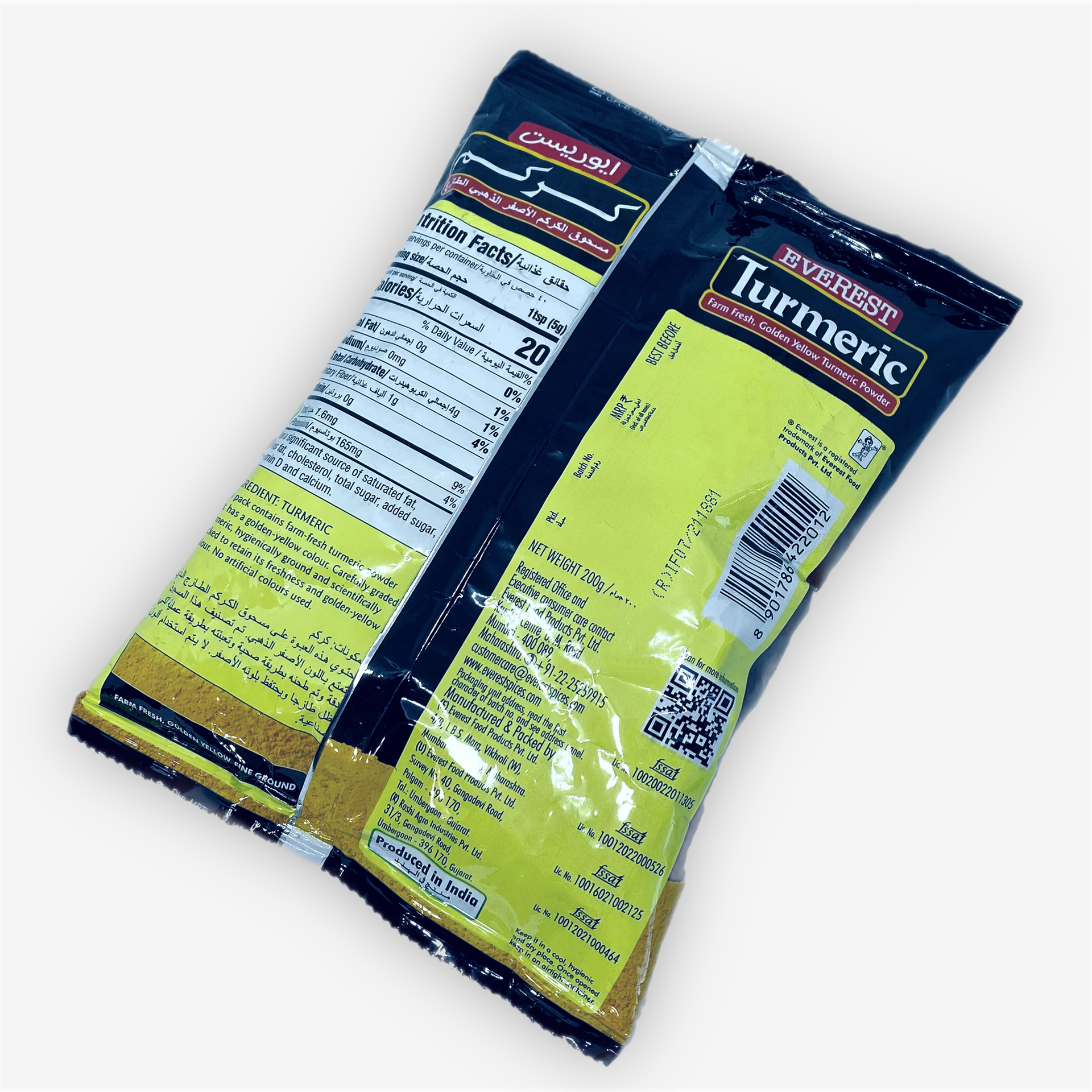
Turmeric Everest — a golden-yellow turmeric powder rich in curcumin, widely used in India as a key ingredient in “curry”. Turmeric has been renowned for its healing properties since ancient times and is believed to aid in body detoxification. Research indicates that bisdemethoxycurcumin, a component of turmeric, acts as an immunomodulator, stimulating the phagocytosis of beta-amyloid, potentially assisting in the fight against Alzheimer’s disease.
Turmeric Everest has a mild, earthy, and woody flavor, enhances protein absorption, and functions as a blood purifier. Its topical application is effective in treating psoriasis, eczema, burns, and cuts. Additionally, it helps reduce arterial plaques and hypertension. Turmeric tea can help prevent colds and viral infections during colder months and may accelerate weight loss when combined with a proper diet.
– Ingredients :
- Turmeric
Application:
In India, turmeric is used by Indians to marinate fish before cooking. It is utilized as a colouring and flavouring agent in Indian cuisine. Turmeric solutions have long been used in the treatment of wounds, eye infections, and colds.
Memory Enhancement
Studies conducted in Asian populations have shown that people who regularly consume curry perform better on cognitive tests compared to those who are less fond of spices. Researchers concluded that this is due to turmeric, specifically curcumin, and its anti-inflammatory properties, which not only enhance memory but also protect the brain from memory-related diseases, including Alzheimer’s. This is possible thanks to curcumin’s ability to remove cholesterol deposits (plaques) in the brain’s blood vessels, preventing or slowing the progression of the disease. Other studies also suggest that curcumin may be beneficial in preventing multiple sclerosis.
Heart Health
Scientists also suggest that regular consumption of turmeric positively impacts the functioning of the heart muscle. For example, data indicates that the antioxidants and anti-inflammatory compounds in turmeric can protect against various heart diseases, including diabetic cardiomyopathy and arrhythmia. Research also shows that curcumin’s antioxidant effects help prevent cardiovascular complications associated with diabetes and reduce the cardiotoxicity of certain potent but essential medications (including chemotherapy).
Cancer Prevention
The scientific community cautiously discusses the connection between certain foods and substances with reduced cancer risk due to the significant role genetics and external carcinogenic factors play, often unrelated to diet. However, some studies indicate that curcumin may have potential in fighting certain types of cancer. Although most research has been conducted in vitro (in a test tube), scientists say that the substance can at least slow down the activity of pathogenic cells associated with skin, prostate, and breast cancers.
Pain Relief in Osteoarthritis
Any doctor will tell you that osteoarthritis, one of the most common joint diseases, is a multifactorial condition that develops over decades and requires not only symptom relief but also the preservation of joint structure. The problem with synthetic drugs is their numerous side effects, while the only issue with natural curcumin is its bioavailability, which can be enhanced by altering the form of the substance. Research indicates that curcumin’s potential for reducing osteoarthritis symptoms is very high. For instance, a 2016 case study suggested that taking curcumin for four weeks could alleviate osteoarthritis pain as effectively as nonsteroidal anti-inflammatory drugs (NSAIDs) or glucosamine.