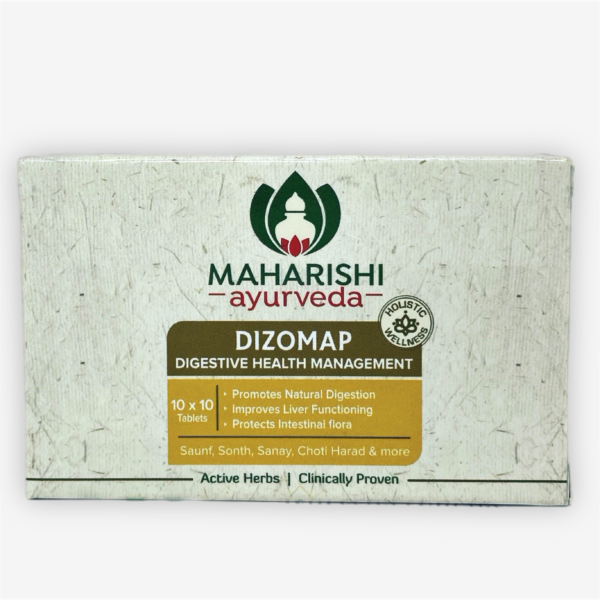


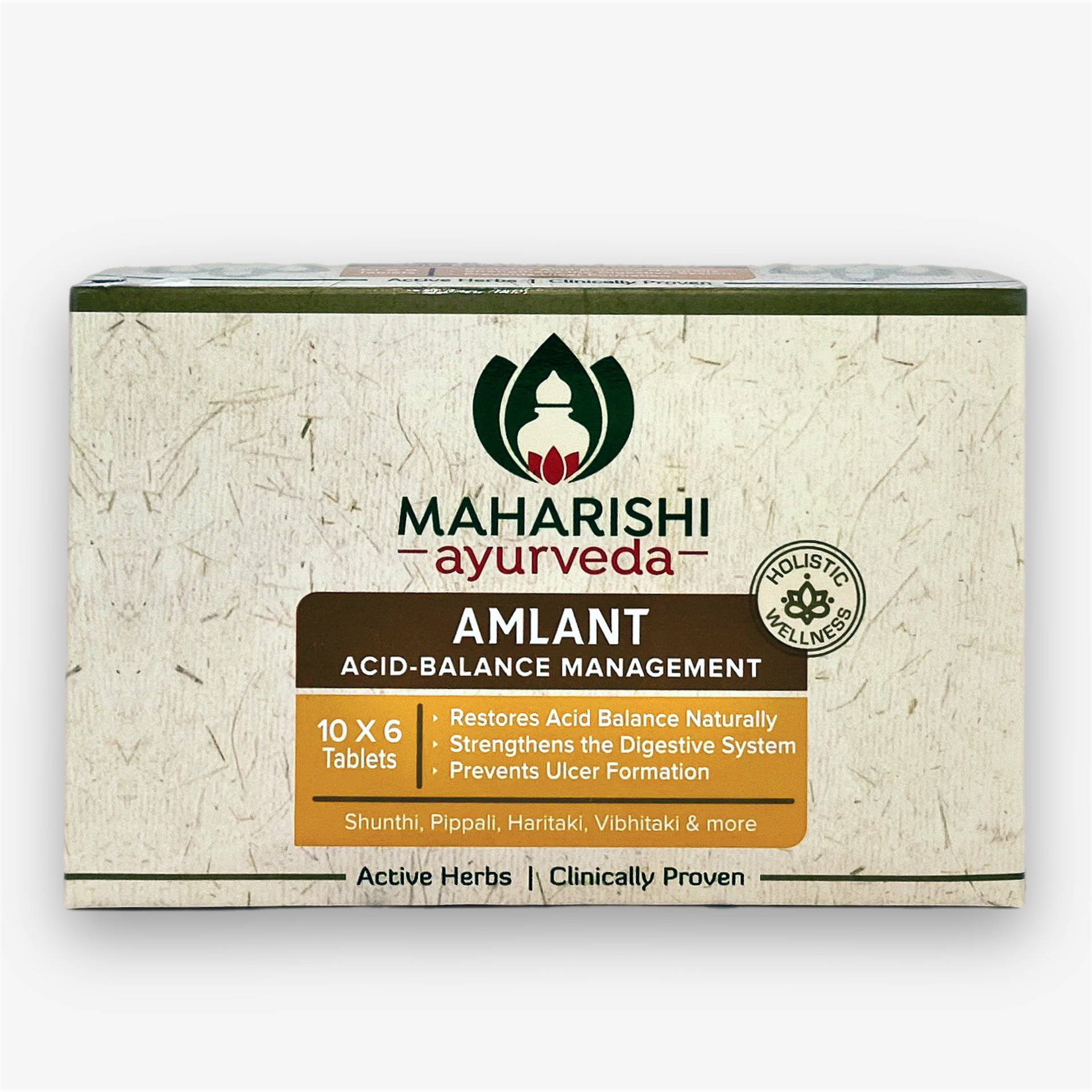

Amlant Maharishi Ayurveda – Effective Relief for Acidity and Ulcers
Key Benefits:
- Treats Acidity and Ulcers: Specifically formulated for managing increased acidity and aiding in the treatment of stomach and duodenal ulcers.
- Alleviates Digestive Discomfort: Eases heartburn, burning sensations, and heat in the upper body.
- Supports Gastritis Treatment: Contributes to the healing process for gastritis and ulcers.
Therapeutic Effects:
- Cleanses Toxins: Helps in detoxifying Pitta and neutralizing excess stomach acid.
- Reduces Vagus Nerve Excitability: Minimizes overstimulation of the vagus nerve, improving digestive comfort.
- Balances Doshas: Pacifies Vata Dosha, normalizes Kapha, and soothes Pitta hyperactivity.
- Minimizes Medication Effects: Helps counteract the adverse effects of steroidal and non-steroidal medications.
Quality Assurance:
- Premium Ingredients: Formulated with high-quality Ayurvedic herbs and natural components grown in environmentally clean areas.
- Ancient Formulation: Based on traditional Indian recipes and harvested at the peak of their beneficial properties.
Usage Recommendation:
- Consultation: Consult with an Ayurvedic physician before starting this medication to ensure it aligns with your health needs.
Overall: Amlant Maharishi Ayurveda provides effective relief for acidity and ulcers, supporting gastrointestinal health with a blend of traditional Ayurvedic wisdom and high-quality ingredients.
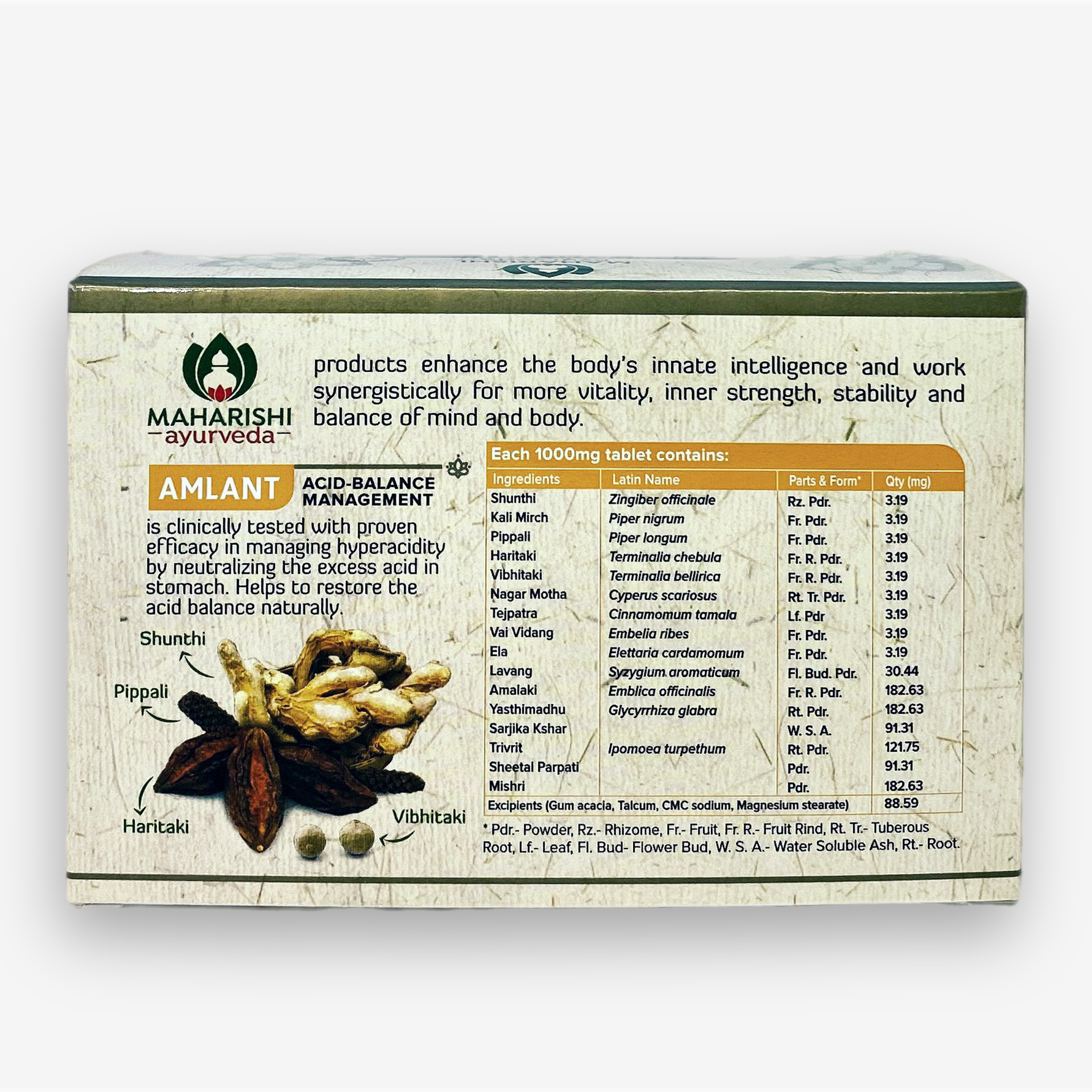
- Shunthi (Zingiber officinate): 3.3mg
- Kali Marich (Piper nigrum): 3.3mg
- Pippali (Piper longum): 3.3mg
- Haritaki (Terminalia chebula): 3.3mg
- Vibhitika (Terminalia bellirica): 3.3mg
- Mustaka (Cyperus rotundus): 3.3mg
- Tejpatra (Cinnamonmum tamala): 3.3mg
- Ela (Elettaria cardamomum): 3.3mg
- Vidanga (Embelia ribes): 3.3mg
- Amalaki (Emblica officinalis): 201mg
- Lavanga (Syzygium aromaticum): 33.0mg
- Nisodh (Ipomoea turpethum): 134mg
- Yashtimadhu (Glycyrrhiza glabra): 201mg
- Sarjika kshar 103mg Sheetal parpati: 100mg
- Mishri crystal sugar Q.S
– Excessive acidity
– Dyspepsia (digestive disorders)
– Heartburn and reflux
– Stomach discomfort after meals
Contraindications:
– Individual intolerance to components
– Children under 12 years old are advised to consult a doctor
Instructions for use:
Take 1 tablet twice a day after meals. Do not exceed the recommended dose.
Amla (Emblica officinalis). Helps normalize blood glucose levels and supports heart health. In 100 grams of the fruit pulp of this plant, there is 30 times more vitamin C than in an orange. It strengthens teeth and bones, promotes hair growth, improves digestion, metabolism, and boosts immunity. It aids in synthesizing hemoglobin, cleanses the liver and other internal organs from toxins, and has rejuvenating effects, neutralizing and eliminating heavy metals and free radicals.
Yashtimadhu (Glycyrrhiza glabra). Lowers blood pressure and cholesterol, improves circulation. Acts as a carrier for other medicines, helping to deliver them to the necessary organs in the shortest possible time. Normalizes blood cholesterol and acts as a general tonic.
Black pepper (Piper nigrum). Improves stomach peristalsis and removes excess mucus. It has antiseptic and antibacterial properties, as well as improves circulation and immunity, helps with colic, constipation, food poisoning, and respiratory diseases. Relieves migraines and headaches.
Embelia ribes. Has antipyretic and antiseptic effects, is one of the best sources of vitamin C. Can be used in the treatment of bronchitis. Improves hair quality. Used as a diuretic, laxative, and cleansing agent, as well as for symptoms and diseases of the intestine, such as: flatulence, dyspepsia, dysentery, hemorrhoids. However, the most effective use of this plant is against intestinal worms: ascariasis, toxocariasis, enterobiasis, trichinellosis. Vidanga can be used to combat echinococcus and beef tapeworm.
Patra (Cinnamomum tamala). Cassia is a favorite herbal laxative in some countries. In small doses, it improves appetite and digestion. It is prescribed for constipation, edema, oligomenorrhea, and glaucoma. Externally, it is used for conjunctivitis, some skin diseases, and pyoderma. It has a stimulating effect on the circulatory system, improves blood circulation in the body, and eliminates viruses and infections.
Triphala. A medicinal composition of three medicinal herbs (amalaki, haritaki, bibhitaki), cleansing and rejuvenating the body, with a mild laxative effect.
Sheetal parpati. A substance obtained by boiling special black compounds obtained by dry mixing of mercury and sulfur at a temperature of 115-120°C, which are then pressed and allowed to cool independently. During this process, mercury is freed from its toxic properties and impregnated with detoxifying and rejuvenating properties. The use of this remedy as a medicine was described by the pioneer of Indian pharmacy, Acharya Nagarjuna, in the treatise Rasendra mangal, written in the 8th century. In it, the doctor describes in detail the treatment of particularly complex cases of skin diseases, which laid the foundation for the use of mercury as a therapeutic agent for internal use. The introduction of Sheetal parpati into the treatment methods of gastrointestinal disorders opened a new era in Ayurvedic therapy.